By
Medium-duty pressure washers run roughly 2,000 to 3,300 PSI with 1.4 to 2.5 GPM, the gap between a basic light electric unit and a commercial-grade gas machine. This is the tier most homeowners actually need: enough power for a driveway, deck or siding job, without the price, weight or upkeep of real heavy-duty equipment.
Readers email me the same thing every spring: the electric pressure washer bought a few years back barely cuts it anymore, so what should replace it that is not total overkill?
Medium-duty is the answer almost every time. It is the tier that handles a driveway, the siding, a deck and the car without you wondering whether it can keep up, and without the oil changes and storage headaches of a contractor-grade machine.
Quick Look: Best Medium-Duty Options
Before the full breakdown, here are the six medium-duty machines worth your money right now:
Sun Joe SPX3000

The machine most homeowners land on in this range. Plenty of PSI for a driveway, light enough to carry up a flight of stairs, and parts are easy to find years later.
DeWalt DXPW3300-S

The step up to gas without buying a commercial-size frame. A 25 foot hose and five nozzles come standard, built for homeowner duty cycles, not daily contractor hours.
Simpson Clean Machine 3200

Built-in soap tank and a turbo nozzle out of the box, so you are not buying attachments separately. Gas power at close to an electric-washer budget.
Karcher K5 Premium

The hose reel alone earns its keep once you have dragged a loose hose around a yard a few times. Vario Power and Dirtblaster wands cover most jobs without swapping tips.
Westinghouse ePX3500

1.76 GPM beats most electrics in this price range, and GPM is what actually decides how fast a full driveway rinses clean. Anti-tipping base for uneven concrete.
Westinghouse WPX3000

Sits right on the line between medium and heavy-duty. The one with room to grow if your jobs keep creeping toward a bigger driveway.
Electric or Gas? How to Decide
This is the one tier where that question genuinely matters. Below 2,000 PSI, electric is the obvious choice. Above 3,500 PSI, gas usually wins. In between, both options are on the table, and the right call comes down to how you use it, not which number looks bigger. Our full gas vs electric breakdown goes deeper if you want the long version.
Go electric if the machine lives near an outlet, gets used in short bursts, and you want to skip fuel, oil and the smell of exhaust in an attached garage. The Sun Joe SPX3000 and Karcher K5 above cover that case well.
Go gas if you are cleaning a bigger driveway, a long run of fencing, or anywhere without a nearby outlet. The trade-off is weight, noise and a machine that needs an oil change now and then, which the DeWalt and Simpson above both handle without feeling like a commercial rig.
GPM (gallons per minute) decides more of this than people expect. A 3,000 PSI machine with weak flow will out-blast a 2,000 PSI unit on a single stuck stain, then lose to it across an entire driveway, because flow is what carries dirt away once pressure has broken it loose.
Where Medium-Duty Actually Saves You Time
A driveway is the job most people buy into this tier for, and it is also the best example of why GPM matters as much as PSI: more flow means fewer passes to clear the same stretch of concrete.
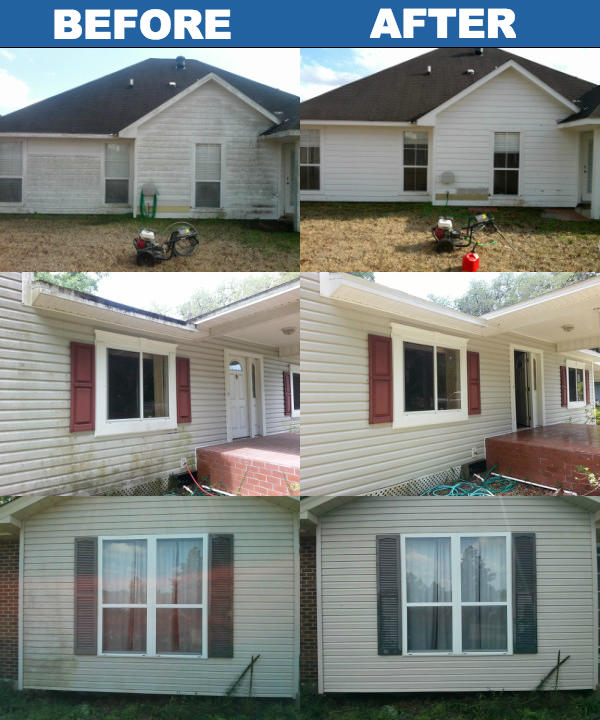
On siding, back the nozzle off to a wider angle and keep the wand moving. Medium-duty flow rates rinse detergent and mildew fast enough that you are not standing in one spot long enough to leave streaks.
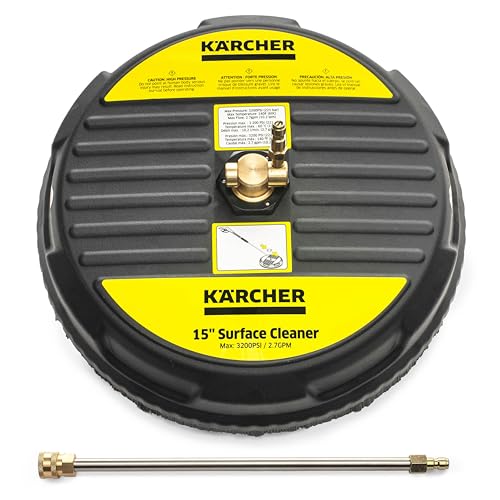
Decks and fences take the same approach as siding, with one difference: weathered wood softens the longer water sits on it, so a surface cleaner attachment on a deck with a lot of open floor saves real time over a hand wand.
Cars are the one job where medium-duty is arguably more power than needed. Back off the PSI on a gas unit, or just stand further back, and use a wide fan tip rather than anything narrow.
What to Check Before You Buy
- GPM, not just the PSI on the box – Two machines rated at 3,000 PSI can finish the same driveway at very different speeds if their GPM differs by even half a gallon.
- Onboard detergent tank – Lets you apply soap at low pressure without a separate injector bottle, which saves a trip back to the garage mid-job.
- Axial cam vs. triplex pump – Medium-duty machines almost all use an axial cam pump, which is fine for weekend use. Our guide to pressure washer pumps covers what changes if you are planning on weekly use instead.
- Hose length and reel – A built-in reel keeps a 25+ foot hose from becoming a tangled pile every time you put the machine away. See our pressure washer hose reel picks if yours did not come with one.
Two Worth a Closer Look
Sun Joe SPX3000 – Best Overall, No Gas or Oil to Deal With
The Sun Joe SPX3000 is the machine we point most readers toward in this tier. It is PWMA rated at 2,030 PSI, the honest working number rather than the marketing max, and 1.48 GPM is enough flow to keep a driveway job moving.
No gas, no oil changes, and parts are still easy to find years after you buy it since it has been a bestseller for so long. If you already own one and want to know what changed on the newer models, our full Sun Joe SPX3000 review covers that.
DeWalt DXPW3300-S – Best Gas Entry, For When Electric Falls Short
The DeWalt DXPW3300-S is built by Simpson under license, worth knowing since Simpson’s manufacturing is some of the most trusted at this price. An AAA axial cam pump and a 25 foot hose come standard.
This is the pick once an electric unit has stopped keeping up with a bigger driveway or more hardscaping than your last place had, while still staying light and simple enough for occasional weekend use rather than daily contractor hours.
Not Sure This Is Your Tier?
If most of your jobs are cars, patio furniture and small decks rather than a full driveway, our light-duty pressure washer guide is probably the better fit and the better price.
If you are running this machine every week instead of a few times a month, or taking on fencing, courts and large flat areas regularly, look at our heavy-duty picks or, for daily paid work, our commercial pressure washer guide instead.