 By
I have run small engines in tools and equipment for over 20 years, and for most of that time Honda was simply the answer. Honda engines have powered my generators, pressure washers and mowers. Then the supply squeeze of the early 2020s made Honda-powered machines hard to find and expensive, so I started running the domestic alternatives instead. The CRX line is the one I have put the most hours on, and I have kept the same machine in service since, which is why this piece is worth revisiting now rather than leaving as a first impression.

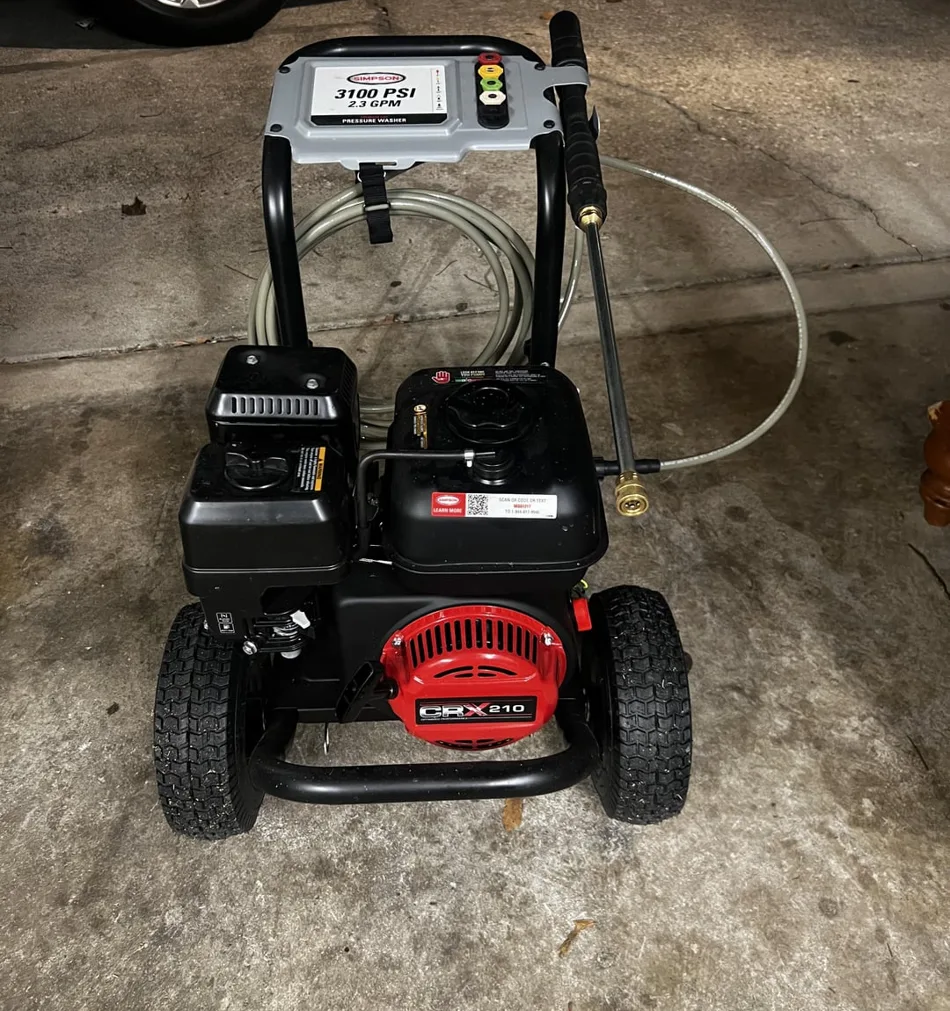
- CRX 210 engine, 208cc, driving an OEM Technologies axial cam pump
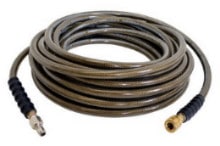
- 3400 PSI at 2.5 GPM, 25 ft of 5/16 in. MorFlex hose, M22 gun connection
- 64 lb, 49-state compliant, so not sold into California
- Warranty runs 2 years on the engine, 1 year on the pump, 5 years on the frame
- Owner reviews are mixed on fuel and starting behavior, which matches a young engine line
Everything below is about that engine, not the pump. The full machine review is here.
Why Honda set the bar
Honda engines earned their name on manufacturing quality, testing and precision assembly. They spared little in development and it showed in how smoothly these things ran after years of abuse. That reputation was built over decades of real use, not marketing.
Honda builds some engines in the US and others across Asia and Europe to meet global demand. That kept them affordable and widely available, and it also left them exposed when global shipping seized up. Anyone who tried to buy a Honda-powered machine in 2021 and 2022 remembers what that looked like on the shelf.
Worth saying plainly, because it cuts against the easy story: Honda is not immune to building a bad batch either. In September 2023 the CPSC announced a recall covering roughly 391,800 Honda units, including GCV170 and GCV200 general purpose engines fitted to pressure washers, over improperly manufactured camshafts that could make the starter rope snap back during a pull start. Honda expanded it in May 2024 after thousands of further incident reports. A long track record is worth paying for, but it is not the same as a guarantee.
Where CRX came from
With Honda engines short and more expensive, the brands that had been buying them started building their own. SIMPSON is one of them. After two decades of fitting Honda engines to its pressure washers, its parent FNA Group launched the CRX line, built in the US, running from the CRX 165 at the small end up to the CRX 420.
The pitch is the same performance and reliability without depending on an overseas supply chain. That is a claim worth testing rather than taking on faith, and enough time has now passed to start checking it against something other than the brochure.
What the CRX is actually like to run
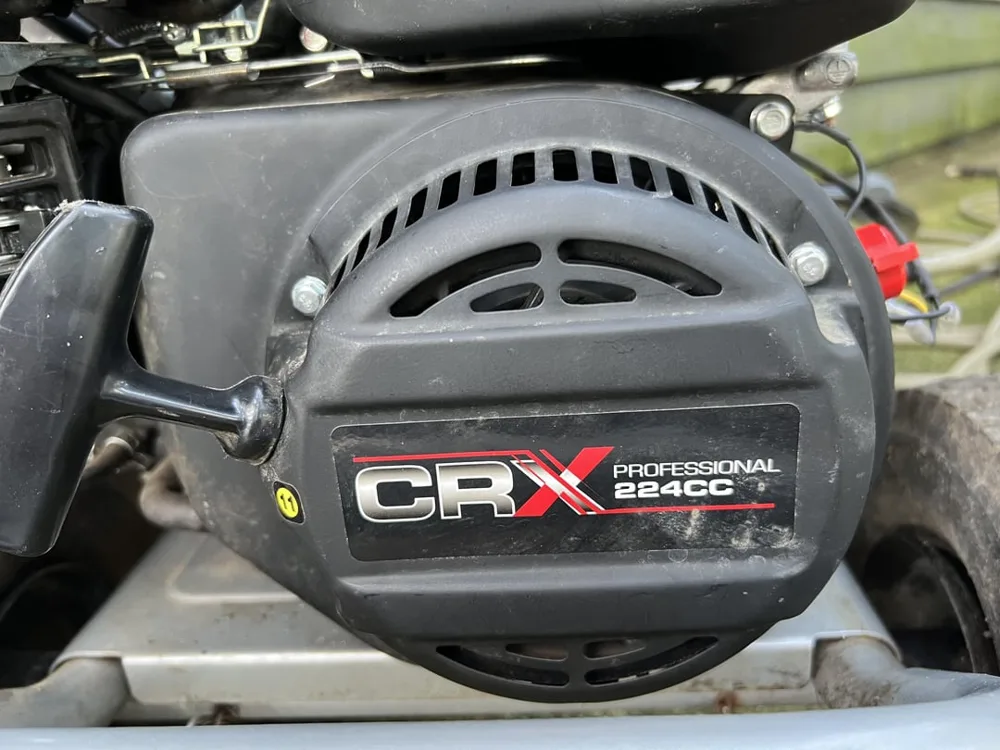
Out of the box the design choices look familiar: dual filter air intake, metal fuel tank, forged crankshaft, aluminum block with a cast iron cylinder liner. That is close to the Honda configuration it is aiming at, and the engine has the solid, reinforced feel to match.
It starts without drama and runs smooth and quiet. Power delivery feels comparable to the Honda-powered machine I used before it. Cleaning a wood deck, a driveway and vinyl siding, over hours at a stretch, it showed no strain and no leaks.
What the owner reports show now
This is the part that has actually changed since we first published. There is still no independent, data-driven reliability study of the CRX line, so anyone quoting you a failure rate is guessing. What there is now is a larger pile of owner reports, and the complaints in it cluster:
- Fuel and carburetor issues: the most common theme by some distance, including hard starting after the machine has sat through the off season.
- Flooding on the bigger engines: at least one CRX420 owner reported fuel filling the cylinder and hydrolocking the engine.
- Hose failures rather than engine failures: on the Clean Machine specifically, a fair share of the bad reviews are about the high-pressure hose giving out early, which is a pump-side part, not the engine.
None of that is unusual for a young engine line, and it is the same list that followed every new budget engine into the market. It does mean that if you store the machine with fuel in it over winter, you are the owner most likely to have a bad time. Run it dry or use stabilizer.
What I still do not know
Whether CRX matches Honda over ten years is the only question that really matters, and nobody can answer it yet, including SIMPSON. Engine reputations are made on what breaks in year six, not what runs well in month one. We are closer than we were, but not there.
What I can say is that after several seasons of regular use mine still performs on par with the Honda-powered unit it replaced, and has needed nothing beyond oil changes. For the way most people use a pressure washer, a few weekends a year, that is a reasonable bet. If you run a machine commercially and downtime costs you money, the longer track record is still worth paying for.
The bottom line
Honda still holds the crown on proven reliability. But the domestic engines are now good enough that they belong on the shortlist, and competition on that shortlist is how any of this gets better.
If you are weighing a gas machine, the engine is only half the decision. The nozzle you fit and the fittings on your hose change the result more often than the badge on the engine does. And if this is a once-a-year job, renting may beat owning either one.